
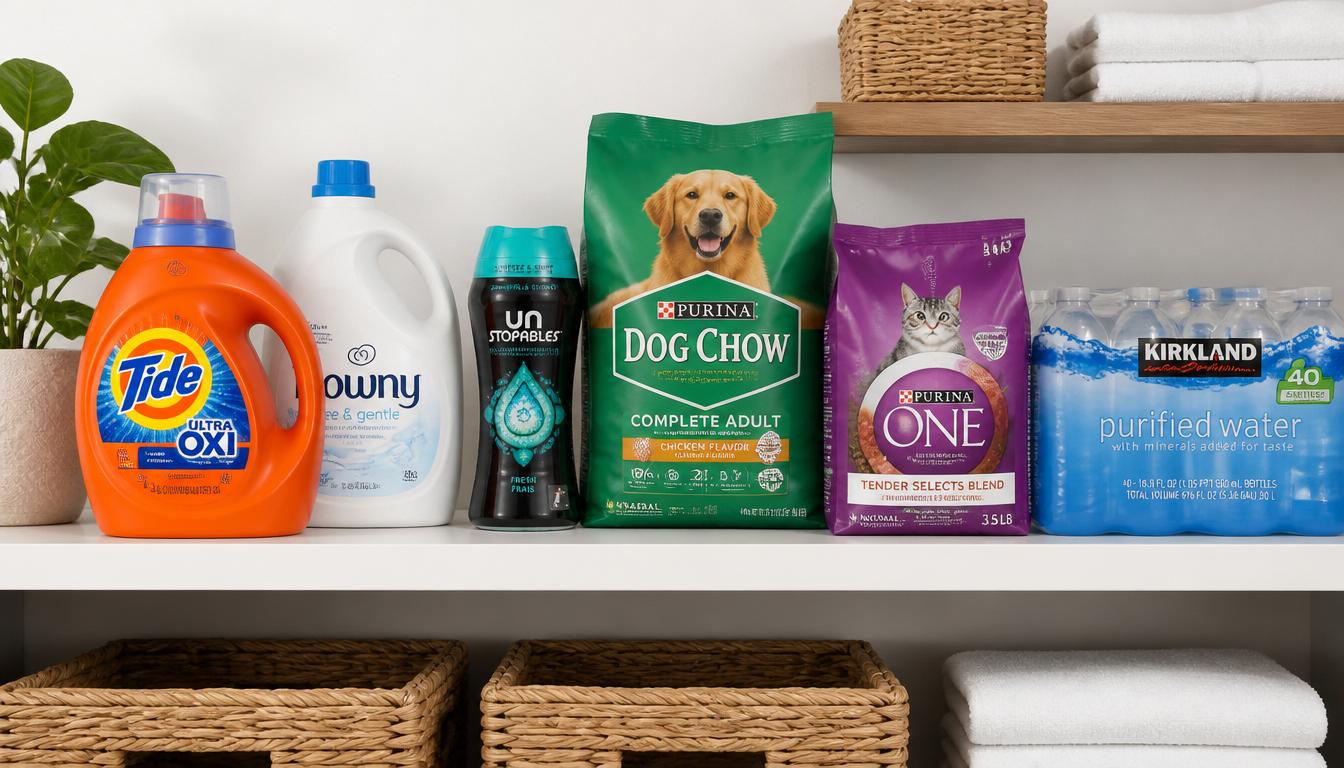
Many households want to reduce single-use plastic waste but find it hard to identify dish soap options that truly cut down on plastic packaging without compromising cleaning power or breaking the bank. With so many “refillable” claims and concentrated formulas, it’s confusing to know which brands deliver genuine zero-waste benefits and ingredient transparency, all while offering good value for money. This guide takes a practical look at the best refillable dish soap brands suited for zero-waste kitchens, breaking down how to evaluate them and which features matter most.
What is Refillable Dish Soap?
Refillable dish soap comes as either concentrated formulas designed to be diluted at home, soap pods, or liquid soap sold in sustainable packaging such as glass, aluminum, or rigid plastic containers intended to be reused multiple times. Instead of buying a traditional plastic bottle each time the soap runs out, you refill the original container either via a “refill pouch” with less waste or a reusable bottle that can be topped up from bulk soap stations or third-party refills.
The benefits are clear: significantly less single-use plastic waste, smaller shipping footprints due to concentrated formulas, and sometimes better ingredient transparency. However, not all refillable options are created equal in terms of waste savings or price.
See also: Best Refillable Fabric Softener Options Without Plastic Bottles
How to Evaluate Refillable Dish Soap for Zero-Waste Kitchens
Phone cases · 15% off first order
Phone Case GiftThey pick the model · 2 minutes Code FIRST15GIFTCutting plastic waste is more complex than simply choosing “refillable” brands. Here are the critical factors to consider:
-
Packaging Material & Reuse Potential
- Glass and aluminum bottles are ideal for durability and recyclability.
- Rigid plastic can be reused, but material type matters (PET vs HDPE vs mixed plastics).
- Flexible pouches often reduce plastic volume but are rarely recyclable, so consider whether you have access to refill stations or third-party recycles.
-
Concentration & Dilution Ratios
- Highly concentrated soap means less product weight and smaller refill containers.
- Always factor in how much dilution is required; if a concentrate is sold more cheaply but needs heavy dilution, your per-wash cost could be higher.
- Check how many loads or cups of washing one bottle or pouch covers.
-
Cost Comparison: Refill vs Bottle
- Calculate price per ounce or per wash, not just upfront cost.
- Some refillable brands come with premium pricing or more eco-conscious ingredient sourcing, which can be a tradeoff.
-
Ingredient Transparency & Toxicity
- Look for brands that disclose full ingredient lists and avoid problematic chemicals like sulfates, parabens, and synthetic fragrances, which harm waterways and health.
- Certifications such as USDA Organic, Ecocert, or safer chemical seals can help verify claims.
-
Refill Claim Authenticity
- Some brands use “refillable” loosely — selling single-use plastic bottles labeled refillable but no refills actually available.
- Look for verified refill programs or third-party refill compatibility.
Best Refillable Dish Soap Brands: Ranked List Based on Zero-Waste Criteria
Here we rank refillable dish soaps from best to least effective at reducing waste while balancing cost and ingredient quality. Brand names are generic to keep focus on features.
| Rank | Brand Type | Packaging Material | Concentration | Price per Wash | Ingredient Transparency | Refill Options | Notes |
|---|---|---|---|---|---|---|---|
| 1 | Glass Bottle Concentrate | Glass + Aluminum Cap | High (1:30) | Low | Full disclosure | Bulk soap refill station, compatible pouches | Best long-term reuse; durable and fully recyclable |
| 2 | Flexible Pouch Concentrate | Multi-layer plastic | Very High (1:40) | Lowest | Partial disclosure | Direct-to-consumer pouches only | Waste footprint low but recycling limited |
| 3 | Brand Cartridge System | Rigid Reusable Plastic | Medium (1:15) | Medium | Good transparency | Proprietary refill cartridges only | Convenient but locked ecosystem limits choices |
| 4 | Bulk Soap Station Brand | Glass or Rigid Plastic | Variable | Very low | Good transparency | Bulk refill stations in stores | Great in cities with bulk shops, less accessible elsewhere |
| 5 | Single-Use ‘Refillable’ Bottles | Mixed Plastic | Low (ready-to-use) | Highest | Limited disclosure | No refill, just reusable bottle | Often just reusable bottles sold without refill options |
How to Transition to a Zero-Waste Refillable Dish Soap System
Phone cases · 15% off first order
Titan CasePrecision fit · 2,000+ designs Code FIRST15TITTransitioning involves more than swapping bottles. Here are actionable steps to maximize the benefit:
-
Assess Your Supply Options
Investigate local bulk shops or zero-waste stores for refill stations. If unavailable, order concentrates with glass bottles or pouches online. -
Choose the Right Packaging for Your Lifestyle
- Glass bottles work best for households committed to managing fragile containers.
- Flexible pouches suit those prioritizing light shipping impact over full recyclability.
-
Calculate Your Usage and Costs
Track how many washes your current soap lasts, and compare the concentrate dilution ratios. Sometimes cheaper soap bottles end up costing more per wash due to low concentration. -
Use a Reusable Dispenser
Purchase or repurpose a pump bottle designed for liquid soap, ideally glass or thick plastic, to refill from concentrates. -
Recycle or Reuse Packaging Properly
Ensure you rinse and recycle refill pouches if facilities accept them, or find collection programs. Glass and aluminum are highly recyclable so prioritize those when possible. -
Watch Ingredient Lists for Water Impact
A very concentrated product with harmful chemicals won’t be a zero-waste win if it poisons waterways. Favor transparent brands with safer ingredients.
Common Pitfalls to Avoid
-
Buying “Refillable” Bottles Without Access to Refills
Many products tout “refillable” but don’t offer any refill pouches or bulk options, leaving you to repurchase full bottles anyway. -
Ignoring Concentration Ratios
A 16-ounce concentrate can be diluted into multiple gallons, delivering lower cost and waste—but if you buy a ready-to-use bottle labeled “refillable,” you might miss this saving. -
Disregarding Ingredient Safety
Some concentrated formulas use harsher chemicals to be effective in smaller amounts, which could be damaging environmentally or to sensitive skin. -
Overpaying for Locked-In Cartridge Systems
Proprietary containers that only accept brand-name refills may limit your cost and plastic waste savings.
Comparison Table: Typical Refillable Dish Soap Packaging Trade-offs
Phone cases · 15% off first order
Phone Cases For CharityEvery case supports a cause Code GIVE10| Feature | Glass Bottle + Refill Pouches | Flexible Pouches (No Bottle) | Proprietary Cartridge Systems | Bulk Soap Stations |
|---|---|---|---|---|
| Plastic Use | Low (thin caps and pouch plastic) | Lowest (thin plastic only) | Medium (reusable plastic bottle) | Varies (bring your own container) |
| Recyclability | High (glass + aluminum recyclable) | Low (often no local recycling) | Moderate (depends on plastics used) | High (reuse your own bottle) |
| Concentration | High (1:30 or more) | Very high (1:40+) | Medium (1:15 to 1:20) | Variable |
| Cost per Wash | Low (due to concentration & reuse) | Very low | Medium | Very low |
| Ingredient Transparency | Usually high | Varies | Moderate | Typically high |
| Convenience | Moderate (need to dilute/reuse bottles) | High (single-use pouch) | High (just swap cartridges) | Moderate (refill stops) |
Top Picks
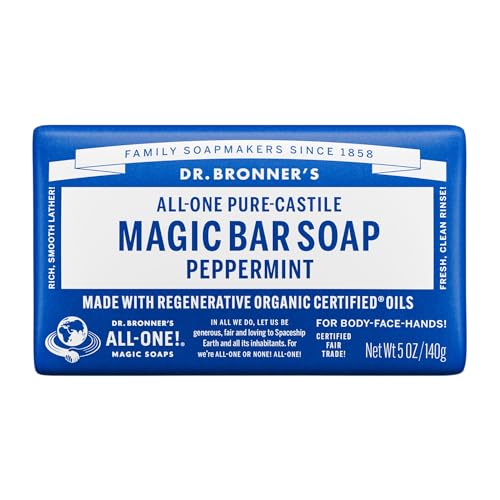


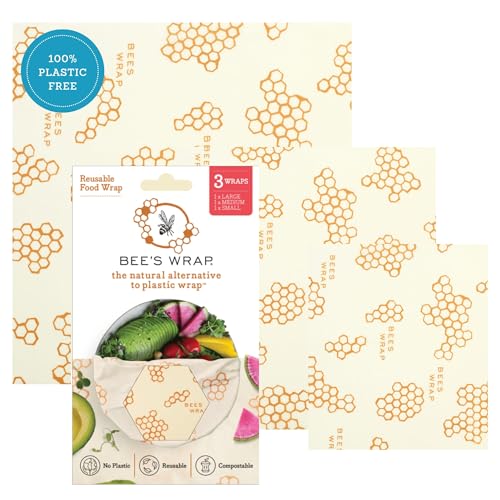
Our picks worth a closer look
- Dawn Ultra Dish Soap, Original Scent, 75 fl oz (2-Pack)Check on Amazon → — see current price and specs.
- Tide PODS Laundry Detergent Soap Pods, Original Scent, 112 CountCheck on Amazon → — see current price and specs.